



Traveling with a disability requires extra planning, but it’s absolutely achievable. This guide walks caregivers and families through accessibility, preparation, and what to expect at airports and destinations.
According to the CDC, more than 1 in 4 adults in the United States have some sort of disability, whether they’re physical disabilities, intellectual disabilities, or developmental disabilities. These individuals, their families, and their caregivers can work together to ensure trips are enjoyed and enjoyable for everyone in their travel group.
Organizing Your Trip
The organization stage of a trip is a fun stage. It’s the time you spend picking out hotels, planning where you’re going to eat, figuring out how you’re getting around, and choosing activities to make your trip fun.
For caregivers and families of people with disabilities a little more care needs to go into the organization stage. A few considerations to make when organizing a trip for or with an individual with a disability are:
Accessibility
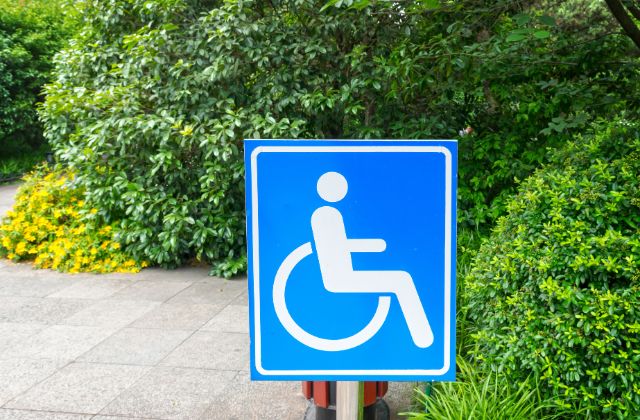
Accessibility is a must when organizing travel for those with disabilities.
Even if a specific location claims to adhere to all ADA requirements, that doesn’t necessarily mean that equal accessibility is available to all. If an individual requires the use of a wheelchair, they may have different accessibility needs than someone who requires different adaptive equipment, mobility aids, or sensory support.
For travelers with intellectual or developmental disabilities, sensory considerations are equally important. Crowded spaces, loud environments, and unpredictable schedules can present challenges that go beyond physical accessibility.
Reasonable accommodation
With accommodation that is not accessible, a trip is simply not going to be successful.
When researching hotels, rental units, or other accommodations, ensure that reasonable measures can be taken or offered to ensure safe and complete accessibility within the space.
Meals
Some individuals with disabilities have complex needs when it comes to nutrition, so meals may need to be carefully planned in advance.
Scope out eateries, restaurants, or places to enjoy a packed meal while on your travels to ensure all nutritional needs can be comfortably met.
Proximity to hospitals or medical care
When traveling with a disability, having easy access to hospitals or outpatient care throughout your travels provides peace of mind. If a person traveling requires medication or specialized care, it should be able to be accessed easily if needed.
Outings
Outings should be fun, and they should highlight all of the best parts of traveling.
For those with intellectual or developmental disabilities, outings with clear structure and predictable transitions tend to be more enjoyable. Choosing destinations that offer quieter hours, sensory-friendly programming, or staff trained in inclusive support can make a significant difference.
Self-guided tours, for instance, may be preferable to group adventures because you can experience the location in your own way.
Every traveler wants to enjoy their trip, and care put into an appropriate itinerary makes all the difference.

Preparing For The Trip
Once the trip has been planned, it’s time to prepare for the fun adventures ahead. Depending on your destination, health items you may need might not be as readily available as you’re used to. Packing a travel health kit that includes over-the-counter medications, first aid products, and any other health-related comfort items to have at the ready is a great idea.
There’s more to preparation than packing when planning a trip. Practicing for the travel experience can help those with disabilities to travel with confidence and dignity.
If you’re traveling by air, this may mean visiting a local airport to get used to the busy atmosphere, the noise, and the interactions that may be experienced during this part of the trip.
If traveling by bus, a visit to a bus station or stop will provide the same useful practice.
For families going on a cruise, a visit to the docks to watch ships come and go can be helpful.
Practice is also helpful for direct support professionals. You can’t always plan for every situation, and you can’t always expect to see pain points before they occur. Visiting these travel locations for “practice runs” can help skilled support persons to identify where challenges may be present and provide an opportunity to address them before the travel day.
For individuals with intellectual or developmental disabilities, preparation may also include creating a visual schedule or social story that walks through each step of the trip. Familiar objects, comfort items, and maintaining routines as much as possible during travel can significantly reduce anxiety and support a smoother experience.
At The Airport
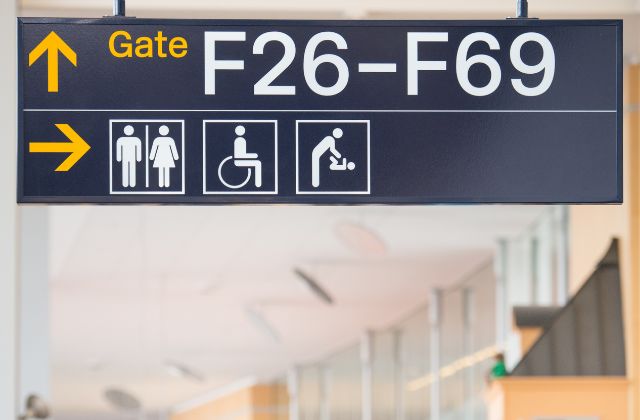
If traveling by air, an airport can be an intense or stressful place even to the most seasoned of travelers. Confusing security protocols, TSA lines, and under-staffed airports can all present unique challenges. According to the US Department of Transportation, airlines are required to provide assistance to passengers with disabilities upon request.
To receive this assistance, the passenger must self-identify to the airline staff after arriving at the airport as the person with a disability who requires these services. Assistance services may include:
- Assistance from the terminal entrance through security, to the travel gate, and onto the aircraft.
- Assistance from an aircraft, through the airport, to the gate, and to the seat of a connecting flight.
- Assistance from the aircraft to the airport baggage claim area and to the vehicle pick-up location on an arriving flight.
Even with support staff accompanying on the trip, these assistance resources make traveling with a disability feel more relaxed and stress-free.
Managing Sensory Overload and Non-Visible Needs
For travelers with intellectual or developmental disabilities, the challenges at an airport often go beyond physical accessibility. Noise, crowds, bright lighting, and unpredictable wait times can all contribute to sensory overload. Two programs in particular can help.
The Hidden Disabilities Sunflower Lanyard
The Hidden Disabilities Sunflower program is a global initiative where wearing a simple green lanyard with yellow sunflowers discreetly signals to airport staff that you or someone in your party has a non-visible disability and may need a little extra time, clearer instructions, or a more patient approach. Gate agents, security personnel, and flight crews are trained to recognize it.
Harry Reid International Airport (LAS) is a partner in this program. Lanyards are available free of charge at any Information Counter throughout the airport. If you want to have one before you leave home, you can request one through the Harry Reid Special Assistance page and it will be mailed to you at no cost.
One important note: the Sunflower Lanyard is a communication tool, not an expedited screening pass. If you need to move through security more quickly, look into the TSA Cares program separately.
Sensory and Quiet Rooms
Many airports now offer dedicated sensory rooms inside the terminal. These are sound-dampened spaces with dimmable lighting, comfortable seating, and tactile activities designed to give travelers a place to decompress if the terminal becomes overwhelming.
Harry Reid International does not currently have a dedicated sensory room, but offers a practical alternative: the MagnusCards App. This free app includes digital card decks specifically for Harry Reid Airport that walk travelers through the step-by-step process of checking in, going through security, and boarding. For individuals who benefit from visual schedules or social stories, it is worth downloading before your trip.
If you are flying through or to another city, many major airports do have physical sensory rooms. Check your specific departure or arrival airport’s website and search for “Accessibility” or “Special Assistance” to see what’s available.
Traveling with a Service Animal
If you’ll be traveling with a service animal there are additional preparations you need to make. The US Department of Transportation requires airlines to recognize dogs as service animals and allow them to be transported on flights to, within, and from the US. Check with your airline directly to understand their specific procedures before your travel date.
At Your Destination
Once at your destination, it’s time for the fun to begin. With care and consideration put into the planning or organizing phase of the trip, this part of the adventure will go more smoothly. Still, it’s important to consider transportation, schedules, resources, and access to care throughout the duration of your trip.
For families or support professionals, going over schedules and familiarizing individuals with disabilities with what parts of the trip will look like can help to create a more relaxed and enjoyable experience. Allowing them to investigate the rental car or shuttles and showing photos of destinations, activities, or tours can take any stress away that they may be feeling about something that could be new or unknown.
Supporting Familiar Routines Away from Home
Maintaining familiar routines while traveling can make a meaningful difference for individuals with intellectual or developmental disabilities. If your loved one follows a consistent medication schedule, meal timing, or bedtime routine at home, do your best to carry those rhythms into the trip. Packing familiar items like a favorite blanket, a comfort object, or a preferred snack can provide a sense of security in an unfamiliar environment.
For individuals who use AAC devices, picture boards, or other communication tools, make sure those tools travel with you and are easily accessible throughout the trip, not packed in checked luggage. If your travel companion is non-verbal or has limited communication, consider preparing a simple card that briefly explains their communication style and needs. This can be handed to hotel staff, restaurant servers, or airline personnel to reduce friction and help others interact with confidence and respect.
Above all, build flexibility into your itinerary. Even with the best preparation, new environments can be overwhelming. Having a quiet, low-stimulation space to return to, whether that is your hotel room or a designated rest spot, gives your travel companion a place to decompress and reset before the next adventure.
FAQs
My loved one thrives on routine. How do we handle flight delays?
Delays are the hardest part of travel for those who need predictability. We recommend creating a “First/Then” visual schedule for the trip. If a delay happens, having a “Surprise Bag” of new, high-interest activities or favorite snacks that only come out during “wait time” can help bridge the gap.
What is the best way to communicate my child’s or ward’s needs to flight attendants?
You don’t need to give a full medical history. A simple, laminated “About Me” card or a “Passport to Travel” can be handed to the crew. It should include:
- Preferred communication style (non-verbal, uses a device, etc.).
- What “stress” looks like for them.
- The best way to help if they become overwhelmed.
Want more resources for caregivers and families?
Subscribe to our newsletter for tips, updates, and disability support information delivered to your inbox.